![7 Best VPN for Michigan [year]: Fast Servers for Michigan IP](https://vpntrends.org/wp-content/uploads/2025/02/Best_VPN_for_Michigan-768x512.jpg)
Quick answer
A reliable VPN is useful anywhere, but Michigan users often run into a specific mix of needs: staying secure on public Wi-Fi in Detroit and other busy metro areas, keeping remote-work sessions stable while traveling, and accessing services that behave differently depending on region or network. A VPN (Virtual Private Network) encrypts your internet traffic and routes it through a secure tunnel, which reduces exposure to monitoring on shared networks and helps protect sensitive activity such as banking, work logins, and account recovery flows. It can also provide location flexibility for certain services, as long as you use stable endpoints and avoid switching servers constantly.
This guide covers how to choose a Michigan VPN based on measurable technical criteria (stability, leak protection, kill switch behavior, and protocol support). You’ll also find a shortlist of commonly used VPN services later in the article, with simple reference links.
On this page 15 sections
What a Michigan VPN should do (technical checklist)
If you want a VPN that performs well in real Michigan usage, focus on these capabilities:
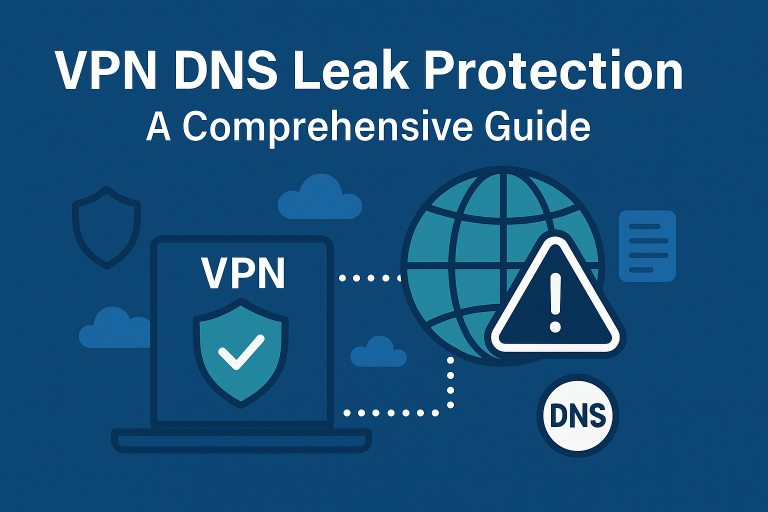
- Leak protection: DNS leak protection and IPv6 leak handling to prevent accidental location exposure and mixed routing.
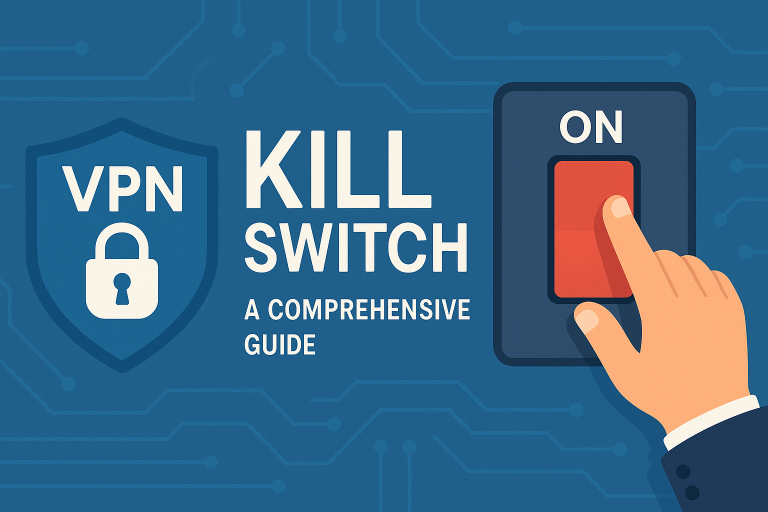
- Kill switch: blocks traffic if the VPN disconnects, which helps prevent accidental exposure on public Wi-Fi.
- Stable protocols: modern protocol options that reconnect quickly on Wi-Fi/cellular transitions.
- Low jitter and low packet loss: stability for video calls, remote desktop, and gaming.
- Strong U.S. server footprint: so you can select nearby endpoints for better latency-to-stability balance.
For Michigan, a practical default is choosing nearby U.S. regions rather than distant endpoints. A closer server usually means lower latency and fewer performance surprises.
Common Michigan VPN use cases
Public Wi-Fi security (airports, hotels, cafés, campus networks)
Public networks are not automatically unsafe, but you typically have limited visibility into who else is connected and how the network is configured. A VPN reduces exposure to passive monitoring and certain interception risks on open or poorly configured Wi-Fi. For travel, it also helps keep sessions private when you move between networks in a single day.
Remote work and sensitive access
If you access corporate tools, cloud dashboards, or client portals, session stability and privacy matter more than “headline speed.” A VPN with stable reconnection and a reliable kill switch can reduce disruptions during calls and remote desktop sessions, especially on hotel networks. The key is consistency: pick one nearby endpoint and keep it stable rather than hopping around.
Streaming and regional availability
Streaming libraries and sports availability can vary by region due to licensing and blackout rules. A VPN can provide location flexibility, but results depend on service policies and the endpoint you choose. The most important technical factor for streaming is sustained throughput with low packet loss, not just a one-time speed test.
Travel between Michigan and other states
Some banking and identity systems use IP geolocation as one signal in fraud detection. When you travel, additional verification prompts are normal. A VPN can help keep traffic private on shared networks, but frequent server switching can create friction. For sensitive logins, stability and consistency are often more helpful than frequent location changes.
User Reviews: Real Stories About Using a Michigan VPN
John M., 34, Detroit, MI
Last year, I was working remotely for a client while visiting family in Michigan. The client’s work involved handling sensitive documents, and I had to access their secure network daily. The problem was, the hotel Wi-Fi I was using was notoriously unreliable and unsecured. I worried about attackers intercepting my connection, especially with all the sensitive data I was transmitting.
A friend recommended I try NordVPN, so I gave it a shot. After installing it on my laptop, I noticed an immediate difference. The VPN encrypted my internet traffic, and I could access the client’s network without any hiccups. What really surprised me was how much safer I felt knowing my data was protected even on public Wi-Fi.
This experience made me realize how important it is to have a stable, encrypted connection when you’re working away from your usual network. I now always use a VPN when I’m on travel Wi-Fi.
– John M.
Lisa K., 28, Grand Rapids, MI
I’m a huge sports fan, and living in Michigan, I love watching out-of-state games online. One frustrating issue was that many streaming services would block certain games due to regional restrictions. I tried several free VPNs but they were either too slow or just didn’t work.
After some research, I subscribed to ExpressVPN. The first game I tried streaming with it was a Chicago Bulls game that was normally blocked in my area. The streaming was smooth, and I didn’t have to deal with constant buffering or disconnections.
Besides sports, ExpressVPN also helped me feel more comfortable browsing on public Wi-Fi at cafés and libraries in Grand Rapids. It has become part of my routine whenever I’m on a shared network.
– Lisa K.
Marcus B., 45, Ann Arbor, MI
My job requires frequent travel, and during one trip to a conference in Detroit, I struggled with accessing my company’s internal website. The site was blocked on the hotel’s internet due to IP-based restrictions, which was a real setback when I needed to prepare a presentation.
I downloaded Surfshark VPN on my phone and laptop. It helped me route traffic through a different endpoint, and I could access what I needed without delay. The added benefit was better privacy on public hotspots around the city.
It was a good reminder that a VPN can be useful for both privacy and practical access problems on restrictive networks.
– Marcus B.
Emily S., 31, Lansing, MI
As a college student at Michigan State University, I often found myself limited by the campus network’s restrictions. Certain websites and streaming platforms were blocked, which made it hard to unwind after long study sessions.
After some encouragement from friends, I decided to try NordVPN. Installing it was straightforward, and I was soon able to access blocked sites without issues. The speeds were good enough to stream smoothly, which the campus Wi-Fi sometimes struggled with during busy times.
It improved my downtime, and I felt more comfortable using shared networks knowing my traffic was encrypted.
– Emily S.
David R., 39, Flint, MI
I’ve been concerned about online privacy for a long time, especially with data breaches and tracking. Living in Flint, I also ran into cases where local services behaved differently depending on where I was connecting from.
I tried ExpressVPN because I wanted a service known for stability and strong security basics. The encryption gave me confidence that my browsing wasn’t easily observable on shared networks. When I traveled outside Michigan, it also helped me keep a consistent experience with certain regional services.
Overall, it has been useful not just for privacy but for keeping my internet sessions more predictable while traveling.
– David R.
Protecting Michigan users from ISP monitoring with VPNs
In the U.S., internet service providers can collect certain categories of network data and can apply traffic management policies that affect performance. For Michigan users, this matters in two ways: privacy (how visible your activity is on the network) and consistency (how traffic is handled during peak congestion). A VPN encrypts your traffic so your ISP cannot easily see the content of what you do online, which reduces exposure of browsing details on the network path.
Encryption also makes it harder to classify traffic by type in real time. In some cases, that can reduce selective slowdowns tied to traffic categories, but results vary by provider and network conditions. The most consistent benefit is privacy on shared networks and a clearer separation between your device activity and what intermediaries on the path can observe.
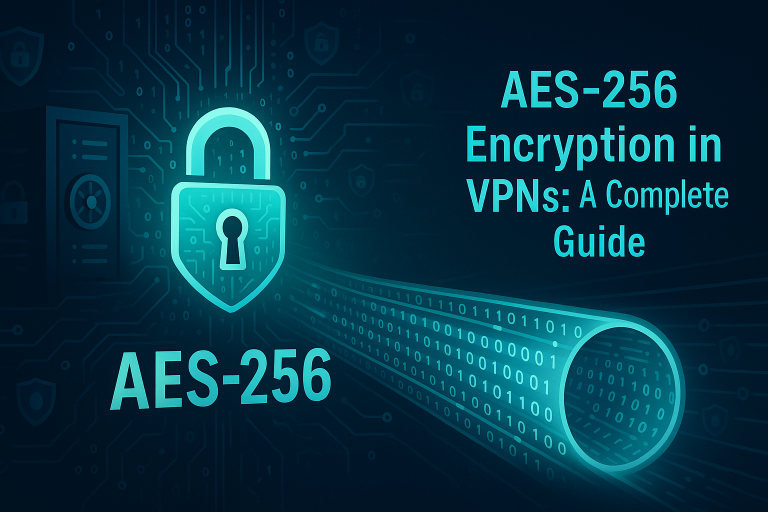
For best protection, look for a VPN that uses strong encryption (such as AES-256 encryption), supports modern protocols, and promotes a strict no-logs policy. Also enable leak protection and a kill switch so your traffic does not “fall back” to normal routing if the VPN drops.
How to use a VPN reliably in Michigan
- Connect the VPN first, then open the app or service you plan to use.
- Pick one nearby U.S. endpoint and keep it stable for at least a day.
- Avoid hopping servers repeatedly (it can break sessions and trigger additional verification prompts).
- Enable kill switch and DNS/IPv6 leak protection.
- If a hotel/airport uses a captive portal, complete the portal login first, then enable the VPN.
Best VPN services for Michigan
The providers below are widely used services with stable client apps and practical privacy controls. Each listing includes one reference link to the provider’s site.
1. NordVPN

NordVPN is a strong option for Michigan users who want a mainstream service with a large U.S. footprint. A larger footprint makes it easier to find nearby endpoints with lower latency, which helps with video calls, streaming stability, and general browsing responsiveness. For travel usage, consistent reconnection and leak controls are often the practical benefits you notice day-to-day.
NordVPN supports AES-256 encryption and promotes a strict no-logs policy.
You can read more about NordVPN here:
NordVPN official website
2. ExpressVPN

ExpressVPN is often selected for reliability across devices and networks. For Michigan users who travel, stable tunnel behavior can reduce session drops on hotel Wi-Fi and help keep work tools and streaming sessions predictable. If your priority is smooth day-to-day performance, test a nearby endpoint and keep it stable rather than switching locations frequently.
ExpressVPN uses AES-256 encryption and includes a kill switch.
You can read more about ExpressVPN here:
ExpressVPN official website
3. CyberGhost

CyberGhost is a practical choice if you want an easy setup and predictable operation. Michigan users generally get the best results by choosing a nearby U.S. endpoint and keeping it stable. This reduces latency and avoids unnecessary routing changes that can disrupt streaming quality or cause account verification prompts.
You can read more about CyberGhost here:
CyberGhost official website
4. Surfshark

Surfshark is a feature-rich option that can work well for households with multiple devices. For Michigan performance, prioritize nearby endpoints to keep latency reasonable. If you mainly use a VPN for streaming or travel privacy, focus on sustained performance during peak hours rather than one-off benchmark results.
You can read more about Surfshark here:
Surfshark official website
5. Private Internet Access (PIA)

PIA is useful for Michigan users who prefer configurability and privacy tooling. Features like DNS leak protection help avoid mixed routing behavior on complex networks, and advanced settings can be helpful if you want to tune the VPN for specific workflows.
You can read more about Private Internet Access here:
PIA official website
6. IPVanish

IPVanish is a solid option for Michigan residents who want a straightforward app experience and dependable speeds for general browsing and streaming. If you notice instability at peak times, test a couple of nearby endpoints in the same region rather than switching to distant locations.
You can read more about IPVanish here:
IPVanish official website
7. ProtonVPN

ProtonVPN is a strong option for privacy-focused users who want a service that emphasizes security controls and anonymity features. For Michigan usage, the best approach remains the same: choose a nearby endpoint for better latency and test stability during your typical peak hours.
You can read more about ProtonVPN here:
ProtonVPN official website
How to Choose the Best VPN for Michigan
Choosing the best VPN for Michigan depends on your priorities. Use this framework:
- Speed and stability: prioritize low jitter and low packet loss for calls, gaming, and smooth streaming.
- Security: look for strong encryption, a kill switch, and leak protection.
- Privacy: a clear no-logs policy and transparent practices matter.
- Device compatibility: ensure the VPN supports your devices and, if needed, router setup.
- Server coverage: a strong U.S. footprint makes it easier to select nearby endpoints for better latency.
FAQ
What is the best VPN for streaming in Michigan?
Many users choose NordVPN and ExpressVPN for streaming because they tend to offer strong performance and reliable apps. Your best option depends on which nearby endpoints perform consistently on your connection.
Is it legal to use a VPN in Michigan?
Yes. VPN use is legal in Michigan and across the United States. Using a VPN does not make illegal activity legal.
How do I set up a VPN on my device?
Most VPN providers offer apps for desktop and mobile. Install the app, sign in, and connect to a nearby U.S. endpoint. Enable kill switch and leak protection for better safety on shared networks.
Can a VPN improve my internet speed?
A VPN can sometimes improve consistency if your ISP applies traffic management based on traffic classification, but it can also reduce peak speed due to encryption overhead. The most reliable benefits are privacy and safer use of public networks.