Looking to take your VPN skills to the next level? Our How-to section offers step-by-step guides for everything from setting up advanced VPN protocols like WireGuard to combining VPNs with Tor for maximum privacy. Whether you’re troubleshooting DNS leaks, fine-tuning your server settings, or exploring powerful privacy tools, our easy-to-follow tutorials are designed for both beginners and tech-savvy users. Get hands-on, practical advice to optimize your online security and unlock the full potential of your VPN.
Changing your DNS can speed up lookups, improve privacy, and optionally block malware or adult content. Pick one provider and set both the Primary and Secondary addresses on your…
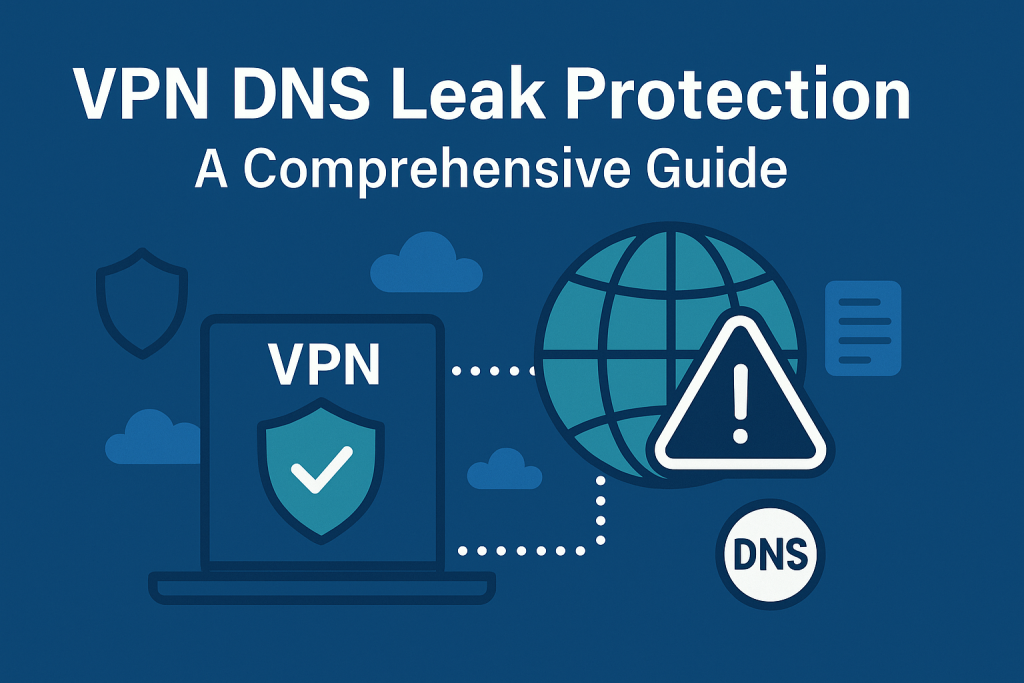
A DNS leak occurs when a device sends domain name queries outside the encrypted VPN tunnel, exposing the user’s real IP address and online activities to their internet service provider…
A VPN kill switch is a security feature designed to prevent unprotected internet traffic from leaking if your VPN connection unexpectedly drops. It ensures that your real IP address and…
Internet Key Exchange version 2 (IKEv2) is a VPN protocol that establishes and secures encrypted connections between devices and VPN servers. Developed by Microsoft and Cisco, IKEv2 is known for…
A no-logs policy refers to a VPN provider’s commitment to not collecting or storing any user activity data. This means that the provider does not keep records of browsing history,…
WireGuard is a modern, open-source VPN protocol designed to be faster, simpler, and more efficient than traditional VPN solutions like OpenVPN and IPsec. Created by Jason A. Donenfeld, it was…
OpenVPN is an open-source VPN protocol that enables secure communication over the internet. It establishes an encrypted tunnel between the client and server, ensuring data integrity and confidentiality. Unlike proprietary…
AES-256 (Advanced Encryption Standard with a 256-bit key) is a symmetric encryption algorithm used globally for securing data transmissions. Developed by the U.S. National Institute of Standards and Technology (NIST),…